
Sunrun Solar Panels
Unlock clean energy for life

Cleaner, abundant power
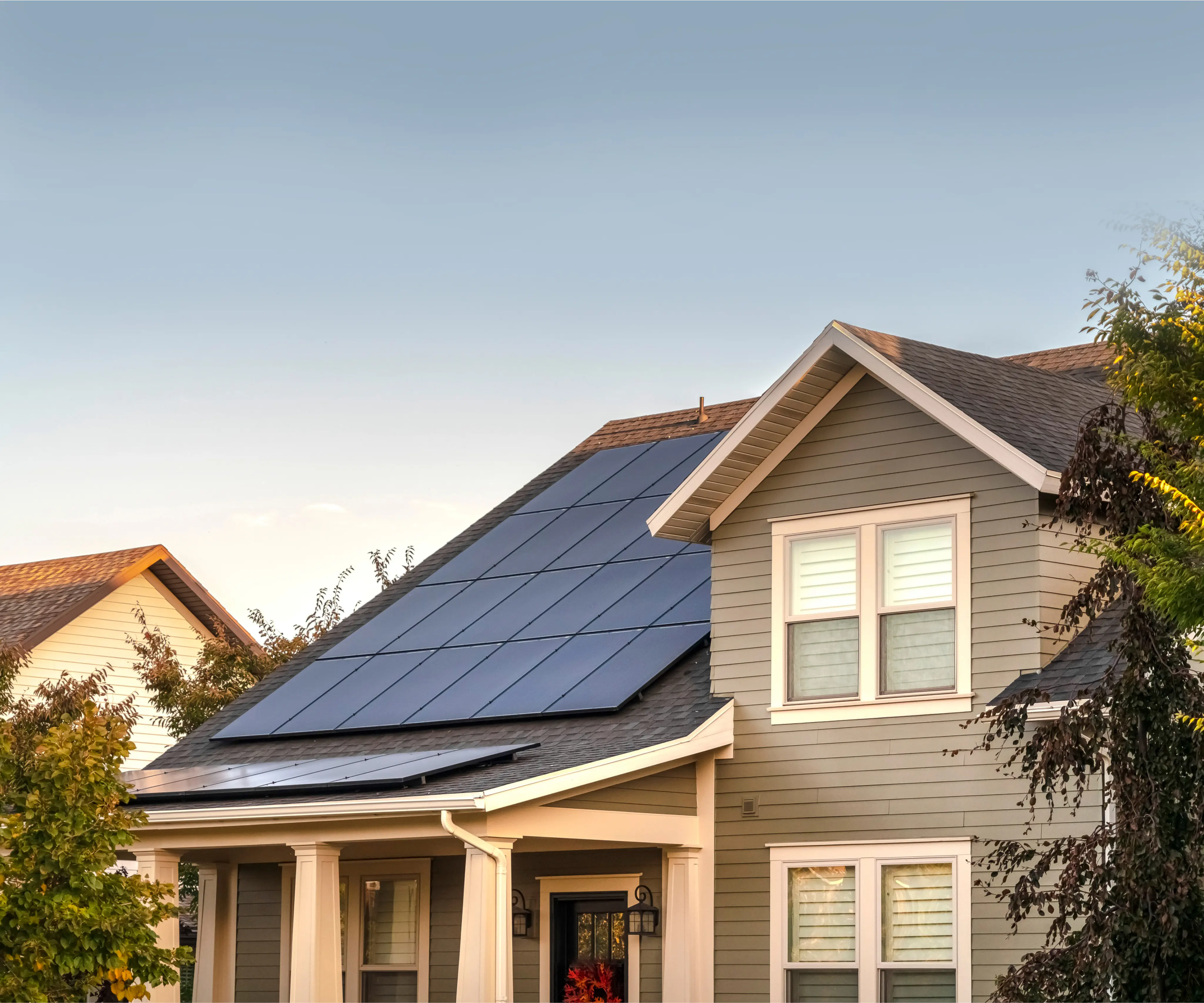
Solar panels for every budget

Customized solar panels for your home

Premium solar panels
Take control of your energy
Harness the power of solar with battery storage

Protected power

More predictable bills

A cleaner future

Seamless integration
The #1 home solar & battery company in America
15 years of solar panel expertise
Get unmatched installation expertise for your solar panel and battery project.
Smart solar energy systems
Control your solar energy system in simpler, smarter ways with an ecosystem of innovative products.
Solar panels for every budget
Tailored payment plans for your solar panels and system project including predictable monthly payments and little-to-no money down options.
Dedicated support on your solar journey
We’re with you all the way, providing dedicated support, performance guarantees, and 24/7 system monitoring.
Solar Panels FAQs
How do solar panel systems work?
A home solar panel array is made up of components that all work together to convert solar energy into usable energy for your lights, appliances and devices.
1. Solar panels
Solar panels are made of photovoltaic cells that convert sunlight to direct current electricity (DC electricity). As long as the sun ray’s are making contact with your roof, your panels are converting solar radiation into DC electricity. Even when it’s cloudy, you can still expect your solar panels to produce 10% to 25% of their normal output. But your electricity isn’t ready just yet. You’ll need an inverter to get the kind of power you need to turn the lights on.
2. Inverter
The inverter takes the DC electricity produced by your solar panels and turns it into alternating current electricity (AC electricity). It’s typically installed on an exterior wall of your house, or in the garage.
3. Main electric service panel
Solar electricity from your inverter flows to the electrical panel, and then into your home where it powers your lights and appliances. If your solar panels generate more solar power than you use, the excess power will flow to the utility grid. Even better? You might even earn energy credits from your local utility for the power you send.
4. Sunrun meter
Your Sunrun meter monitors your solar panels and overall system production, sending the information to us through a wireless signal. Since it tracks your energy production 24/7, it will automatically alert Sunrun if it detects problems or irregularities. That way, we can make sure your solar panels and entire system are in the very best shape without you ever having to lift a finger.
5. Utility meter
When your solar panels produce more than you need, the excess energy is sold back to your utility and credited to your monthly electric bill. When you need more energy than your solar panels can produce, your home will automatically pull the energy from your utility. Your utility meter measures how much energy comes from and goes to the grid.
Do home solar panels have a warranty?
Our solar panels and all of our solar equipment is backed by factory warranties. On top of that, our monthly solar panel lease plan and prepaid solar panel plan (also known as a solar PPA) come with 24/7 proactive monitoring and free maintenance. If we detect that your rooftop solar panels or solar battery aren't performing optimally, we'll dispatch a specialist to repair your solar panels, ensuring they're back to full capacity without any effort on your part. This benefit distinguishes Sunrun from other companies offering solar panels and solar storage.
What does the solar panel installation process look like?
Once approved for a solar panel installation, your property will undergo a site assessment, and an expert technician will schedule a visit with you to confirm the design of your solar panels and full solar energy system.
After that, our Solar Design Experts will make any necessary adjustments to the design of your solar panels and get your final approval. Once it’s approved, we’ll submit your design to the city for permitting, which can take up to eight weeks. From there, either Sunrun or one of our local certified partners will install your solar panels. We only partner with top-rated solar installers, so you can rest easy knowing you’ll have the highest quality solar installation available.
When your installation is finished, the city or county will perform a final inspection of your system. Once it’s approved, it’ll be connected to the grid, and we’ll submit your documents to the utility company. After your utility company grants Permission to Operate (PTO), you’ll be all set to start powering your home with the sun.
What factors should I consider when purchasing solar panels?
Focus on your home’s energy needs, roof condition, and local electricity rates. Also consider system size, battery storage options, financing (like $0-down subscription plans), warranties, and the installer’s experience. The goal isn’t just solar panels, it’s a system that fits your lifestyle, budget, and future energy use.
What are the benefits of solar energy?
Solar energy can help ensure predictable energy costs, protect against rising utility rates, and reduce reliance on the grid. When paired with battery storage, it can provide backup power during outages. It’s a modern energy source that can increase home value and support long-term energy independence.
What questions should I ask potential solar installers?
Ask about system design, total costs, payment options, warranties, and ongoing support. Find out who handles permits, maintenance, and monitoring. It’s also important to ask how long the installer has been in business, how many systems they’ve installed, and what their track record looks like. Finally, clarify what happens if your system needs service later.
What features should I look for in a solar panel?
Look for high efficiency, strong durability (weather resistance), and long-term performance warranties. Panel aesthetics and brand reputation also matter. More importantly, consider how the panels integrate with the full system, including inverters, monitoring tools, and battery storage.
For example, your inverter plays a key role in system performance (learn more about how solar inverters work), while adding storage can provide backup power and help manage energy use (explore solar battery storage options).
What are the pros and cons of using solar energy?
Pros: More predictable energy costs, protection from rising rates, and optional backup power with batteries.
Cons: Upfront costs for some purchase options, variable production based on weather and location, and the need for proper system design and ongoing support.